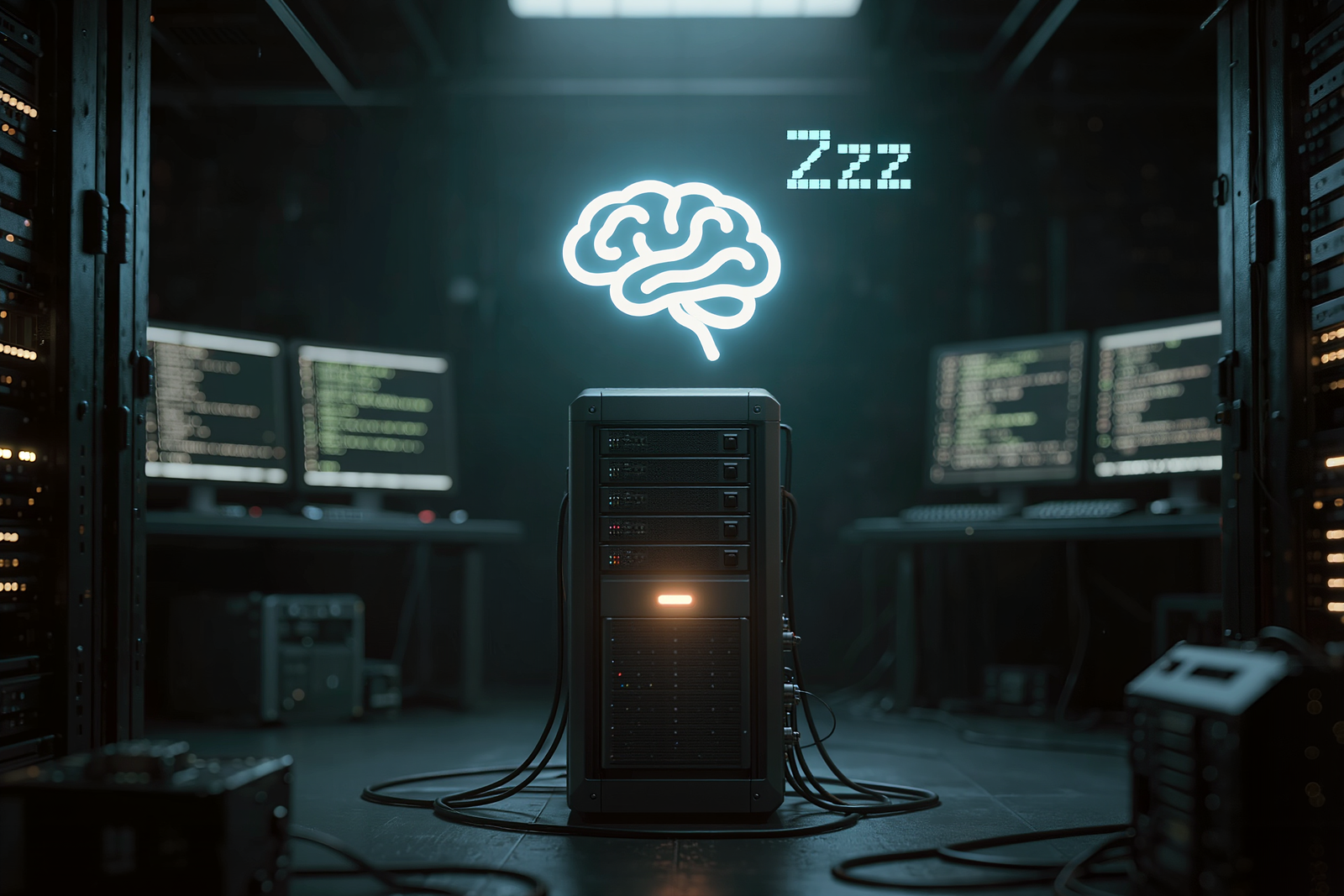
Imagine waking up and finding your digital world uncannily quiet. Nothing buzzes or pings. Your phone unlocks, but the river of suggestions has dried up. No trending videos. No breaking news banners. For one day, the algorithm—the silent but relentless engine behind your feeds, notifications, and recommendations—has simply switched off.
This isn’t a technical outage. Social platforms still load, but now, nothing is surfacing that you didn’t actively look for. The endless push-pull dance of engagement is over. Suddenly, nothing is trying to predict, adapt, or intrude. What remains is just you, your habits, and whatever you deliberately seek. For once, every scroll is manual, every click a conscious act.
No notifications. No recommendations. No "you might also like." One morning, the algorithm just… fell asleep. This is Open Discussion
The Glitch
Everything loads, but nothing is being pushed at you. Your apps still open, but feeds don’t auto-refresh. It’s eerily quiet—no breaking headline, no viral meme, no personalized nudge to keep you scrolling. For a moment, the entire digital universe has lost its sense of urgency. Your timeline halts; new content doesn’t float to the top.
You scroll, expecting the infinite, but quickly hit the bottom. The “For You” page? Gone—replaced by a barren feed until you directly search for something. Unless you search for specific updates, trending topics remain blissfully unknown. Your emotional weather isn’t hijacked by whatever the system thinks should outrage or delight you next.
People react in waves. Some are bored, their thumbs habitually flicking at empty timelines. Others feel relief—a quiet, welcome pause in the noise. A few are restless, their routines thrown off, as if a background hum suddenly went missing.
As hours pass, new patterns emerge. Creators wake to discover their work doesn’t drift onto people’s screens automatically. Anyone who sees it today has to make the effort. For some, this is humbling—influence isn’t as sticky without the algorithm’s silent amplification.
The news junkie experiences withdrawal, forced to visit individual outlets. No drip-feed of updates means they choose what to know and when—not what machines prioritize. It's slower, but oddly satisfying.
Average users look up from their phones and notice time stretching out. Browsing feels heavier, less frictionless. They catch themselves searching memory for that book they meant to read or revisiting old playlists instead of waiting for the next track to be chosen for them.
In this silence, our attention starts to feel like a limited resource again. Choosing what to check or watch isn’t just a tap; it requires desire—a small weight on the scale of your day. Instant conversations lag, since outrage and applause don’t ripple through networks at record speed. Some turn back to older content: deep-dive articles, favorite novels, or a forgotten recipe bookmarked for a “someday” that now, finally, arrives.
By nightfall, something is clear: much of what we “like” was what we were nudged toward. Our dependence on being steered—toward creators, brands, even friends—has become plain. And the influence we assumed was organic looks fragile, once the boost is gone.
Ask yourself: If nothing was recommended, what would you still watch or listen to? Who would command your attention without a machine shouting their name?
Final Thoughts
Without algorithmic curation, viral drama fizzles into the ether. What does this reset reveal? The algorithm, after all, isn’t just code; it’s a living metaphor for larger systems that automate our decisions—both in tech and daily life. When these systems fail—through glitches, burnout, or a hard reset—we’re left staring at what we’ve quietly outsourced: our attention, our intentions, even our sense of what matters.
This thought experiment isn’t mere nostalgia for simpler tech. It’s a critical look at what happens when engagement machines fade to silence. Are we left with curiosity or discomfort? Do we notice how our own “biological algorithms”—our sleep cycles, our gut feelings—suddenly come to the foreground, asking for their own rhythm back?
The day the algorithm fell asleep is a metaphor not just for technological downtime, but a hard reset for our digital and personal ecosystems, nudging us to reexamine what we pursue automatically, and why. Maybe the real glitch isn’t when the algorithm goes quiet, but when we realize we forgot how to choose without it.
The day the algorithm fell asleep forces us to confront just how intertwined our choices and our automated nudges have become. Are we living by our internal rhythms—our body clocks, our natural moments of engagement—or merely by the cadence of machine learning systems?
As you close this page, consider: If the algorithm went silent tomorrow, what would you actually go looking for? That answer, quietly, says as much about your true interests as any feed ever could.
* Comments